

Working in DevOps long enough teaches you two universal truths:
- Engineers love spinning things up.
- Finance loves asking why the bill looks like a phone number.
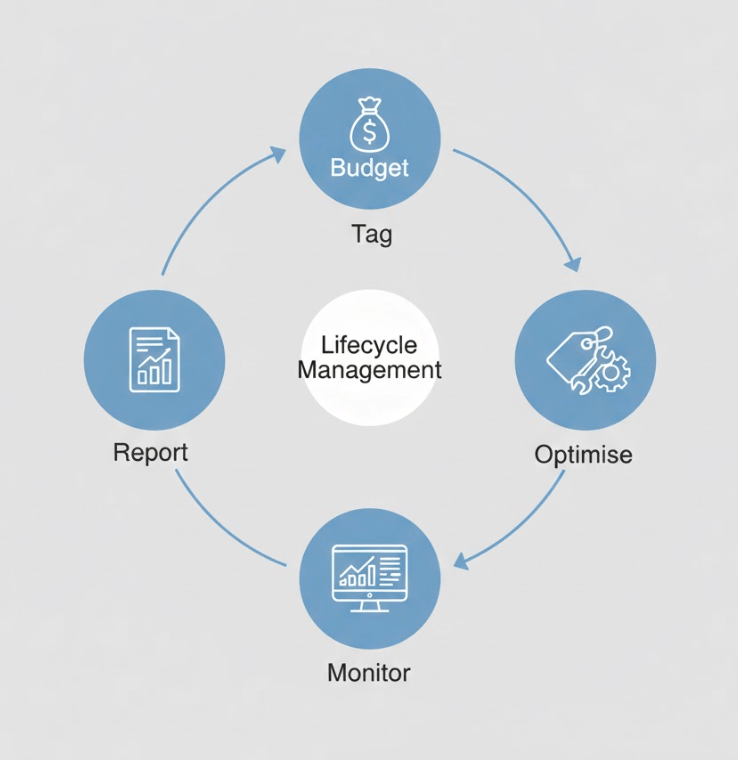
That’s exactly why I lean heavily on FinOps. For me, it’s not just a framework — it’s the reality check that keeps cloud engineering both technically smart and financially sane. The lifecycle is simple: plan smart, track everything, optimise constantly, stay visible, and keep everyone accountable.
Start With Reality
Before anything exciting goes live, I sit down with finance, leadership, and engineers to figure out goals and realistic spending. I look at historical usage, upcoming workloads, and growth patterns to forecast costs that actually make sense. Budgets aren’t there to block innovation — they set guardrails so teams can move fast without accidentally lighting the budget on fire. When expectations are clear early, fewer surprises show up later.
Know Who’s Using What
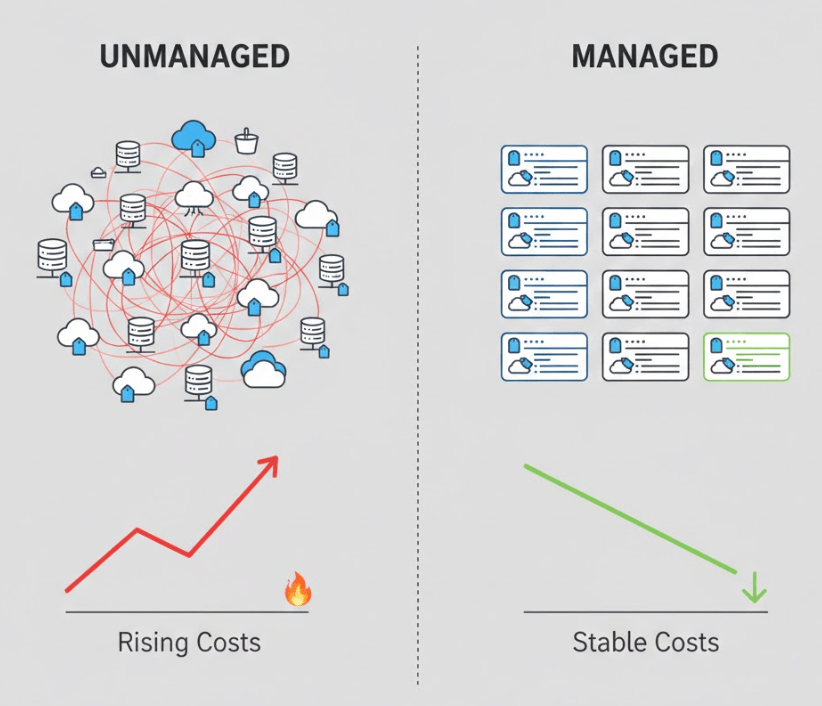
Once budgets exist, visibility becomes everything. That’s where tagging comes in. I push teams to tag resources by project, environment, and ownership from day one. Yip, people complain at first — until costs spike and we instantly know where the money went. Good tagging turns “cloud is expensive” into specific insights like “that test environment hasn’t been touched in weeks.” Suddenly optimisation becomes straightforward instead of detective work.
Stop Paying for Things Nobody Uses
There’s always waste hiding somewhere: oversized VMs, idle resources, forgotten demos, or storage that outlived its purpose. I spend a lot of time right-sizing workloads, implementing auto-scaling, and removing anything that doesn’t deliver real value. Optimisation isn’t about cutting corners; it’s about aligning spend with actual business needs. If something helps performance or growth, great — it stays. If not, it’s probably getting turned off.
No More Billing Surprises
After optimisation, continuous visibility keeps everything under control. I rely on dashboards, alerts, and live monitoring so teams see usage changes immediately instead of discovering problems at the end of each month. When engineers can see the cost impact of their actions in real time, they naturally become more intentional. Small adjustments happen quickly, and massive billing surprises become rare.
Make the Numbers Meaningful
Finally, I turn cost data into clear reports that everyone understands. Regular reviews help engineering, finance, and leadership stay aligned on spending and priorities. The goal isn’t blame — it’s awareness. When teams understand the financial impact of their technical decisions, they start designing smarter by default. Reporting closes the loop and feeds directly back into the next round of planning.
Conclusion
For me, FinOps is a continuous rhythm: budget, tag, optimise, monitor, report — repeat. When done well, cloud spending becomes intentional rather than reactive, and cost management becomes part of good engineering instead of a last-minute panic. And honestly, fewer awkward meetings about mysterious cloud bills are a pretty great bonus.
